How a Custom Steel Gate Is Welded, Coated and Hung
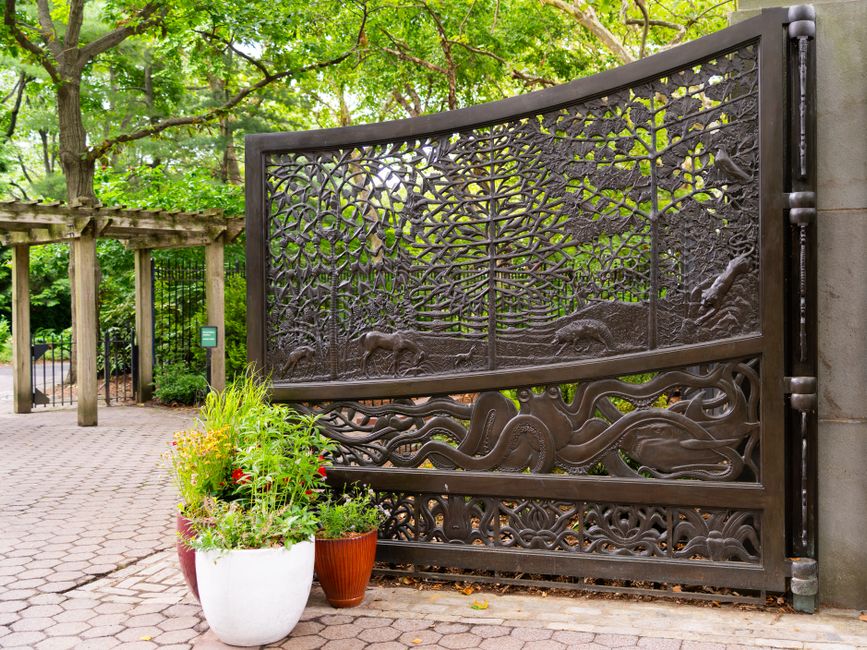
A custom steel gate is built in a fixed order: measure, cut, weld, grind, coat, and hang. Skipping or rushing any step shows up later as rust, sag, or a gate that will not latch. Around Cedar Park, TX, the gate notes at steel gates cedar park rex theater galax cover this part of the job.
Measuring and cutting

The fabricator works from the measured opening and cuts tube, bar, and plate to length. Cuts are checked against a flat layout table so the frame comes out square. A frame that is a little out of square will never hang right, whatever the hinges do.
Welding the frame
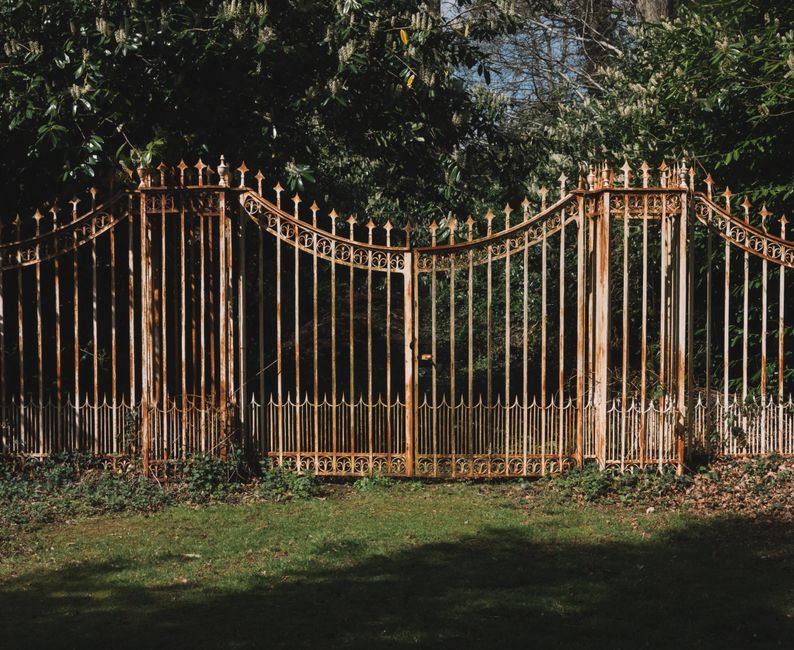
Corners are tack welded first, checked for square, and then fully welded. Good welds are continuous at structural joints and sealed at the ends of hollow tube so moisture cannot enter. A weld that looks rough but is solid is acceptable before grinding, while a weld with gaps or holes is not.
Grinding and cleaning
Welds are ground smooth, sharp edges are rounded, and mill scale and oil are removed. Coatings grip clean bare steel and peel from dirty or scaled steel. Rounded edges also matter, since paint pulls thin on a sharp corner and rust starts there first.
Galvanizing, powder coat, or paint
- Hot-dip galvanizing dips the finished frame in molten zinc, which coats inside and outside surfaces and protects even where paint chips.
- Powder coat is a dry powder sprayed on and baked into a hard shell. It resists sun and scratches well when applied over clean steel.
- Liquid paint over a primer is the cheapest route, but it needs more frequent touch-ups in strong sun.
Many long-lasting gates use galvanizing underneath and powder coat on top, which gives rust protection and color together. Dark colors absorb heat from the summer sun, so a lighter shade is gentler on the finish and on bare hands.
Setting posts and hanging the leaf
Posts go into concrete footings and must cure before the weight of a gate is placed on them. Limestone soil may require drilling into rock or going deeper, and the footing should shed water away from the post base. The gate is then hung on heavy hinges, shimmed for an even gap, and checked for swing through the full arc.
Latch, stops, and opener
The latch must catch without lifting or pushing the gate, and a stop keeps the leaf from swinging past its path. If an opener is installed, it is adjusted so it moves the gate smoothly and reverses on contact with an obstacle. Wires run in conduit, not loose in the soil.
A well-built gate swings freely, shows no gaps in the coating, and sits plumb on its posts. Anything less deserves a correction before the job is called finished.